Sparking Dreams, Unlocking Potential
We believe every adolescent deserves the foundation to stay in school, stay healthy and shape a future of their own choosing, no matter where in Kenya they're growing up.
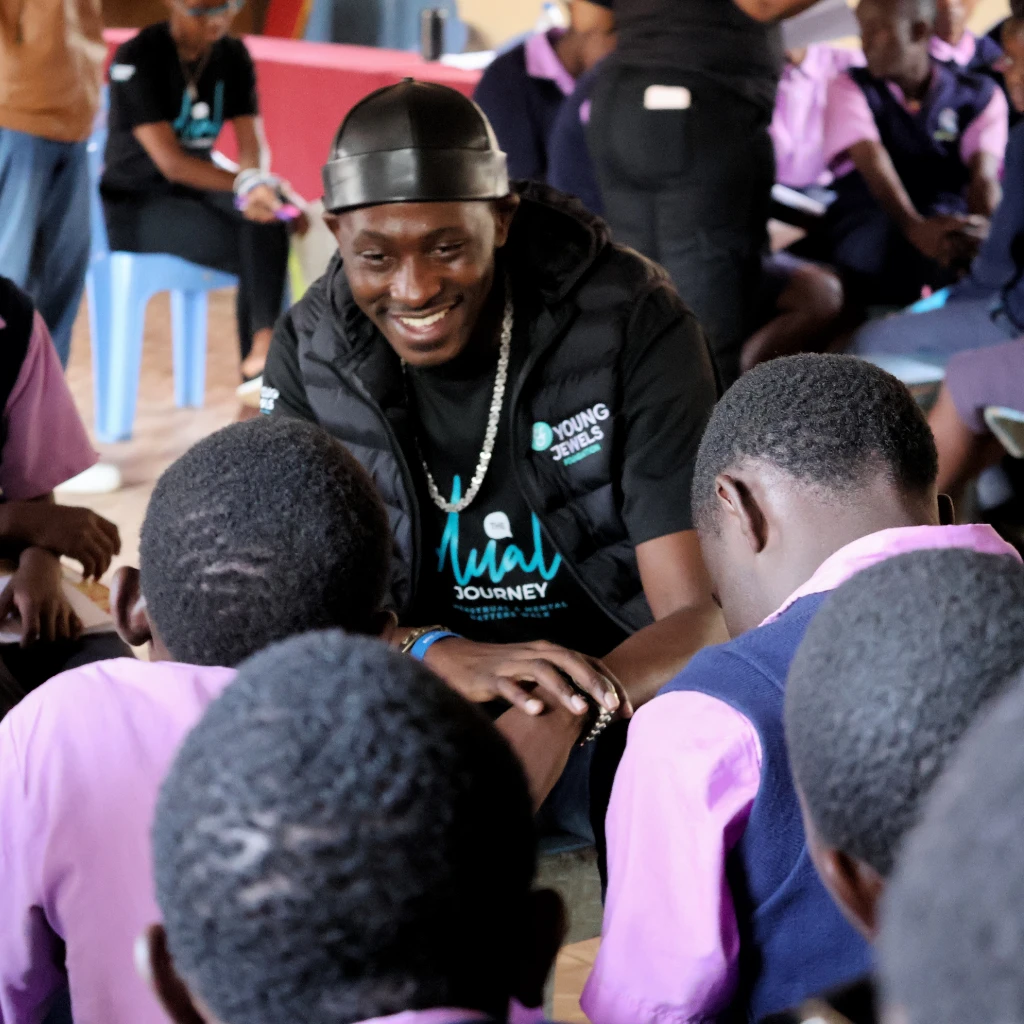
Empowering Adolescents and Youth in Kenya
Every young person deserves the chance to dream and the tools to reach it.
For many adolescents in rural Kenya, that foundation is still out of reach. Life skills education is limited. Access to basic hygiene and sanitation is inconsistent. And for too many young people, especially girls, that gap is enough to push them out of the classroom altogether.
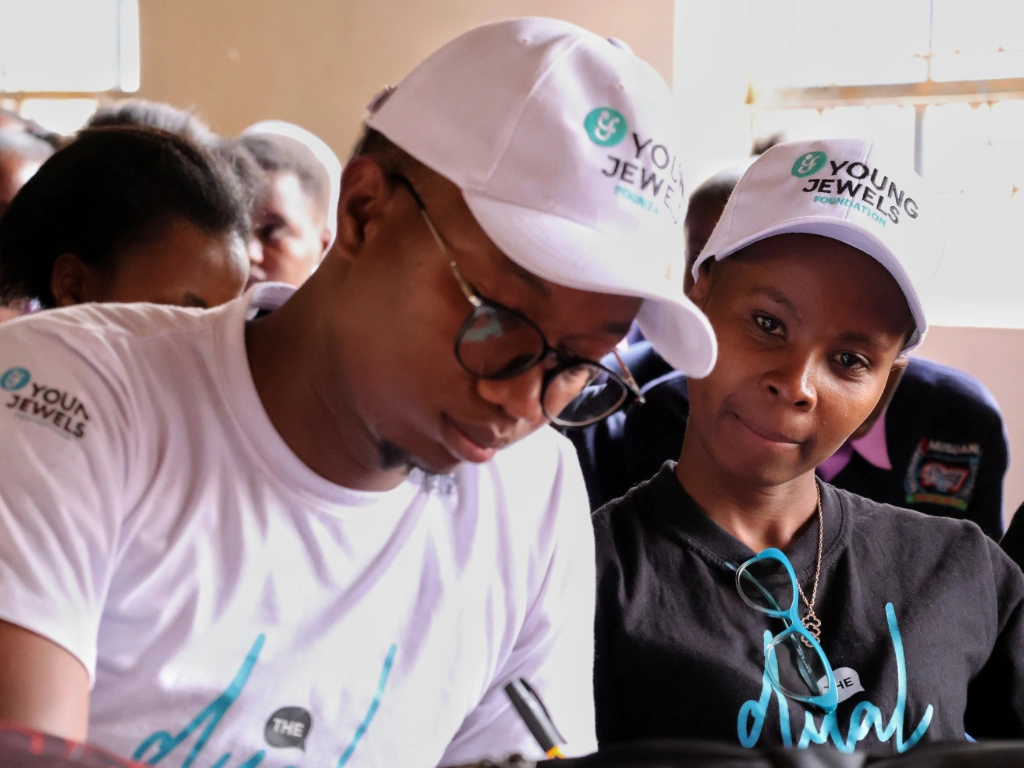
We're working to change that. Alongside our supporters and a dedicated team of volunteers, we equip adolescents and youth with the knowledge, skills and resources they need to stay in school, and to imagine a future beyond it.
Our Work
How we invest in Kenya's young people.
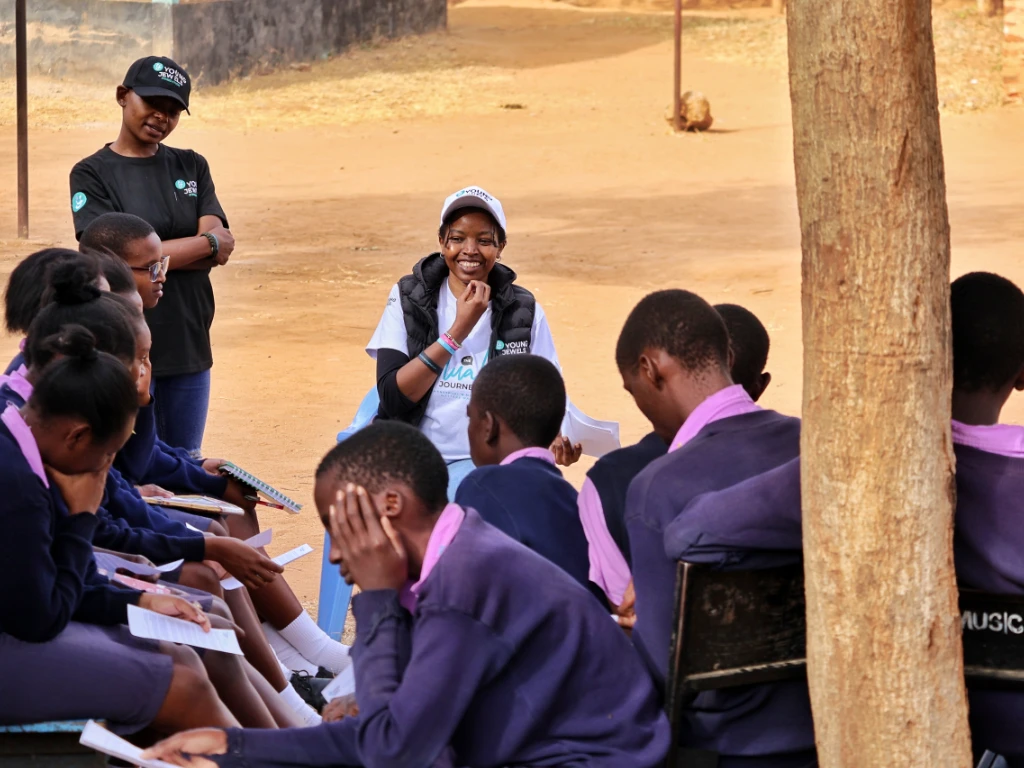
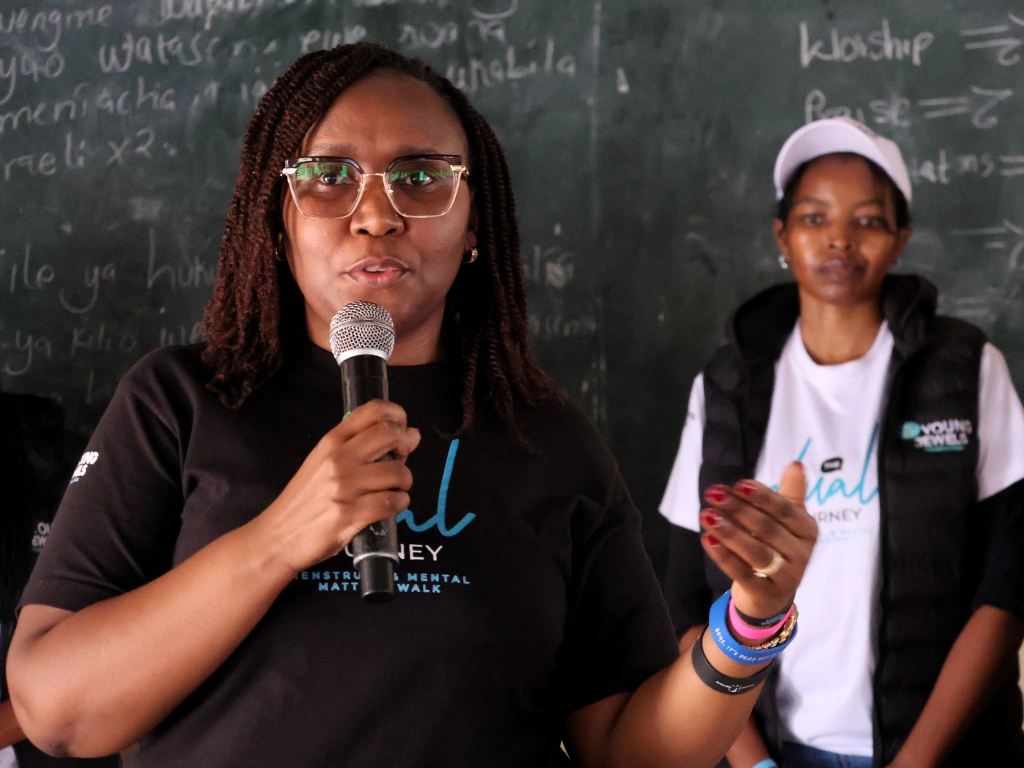
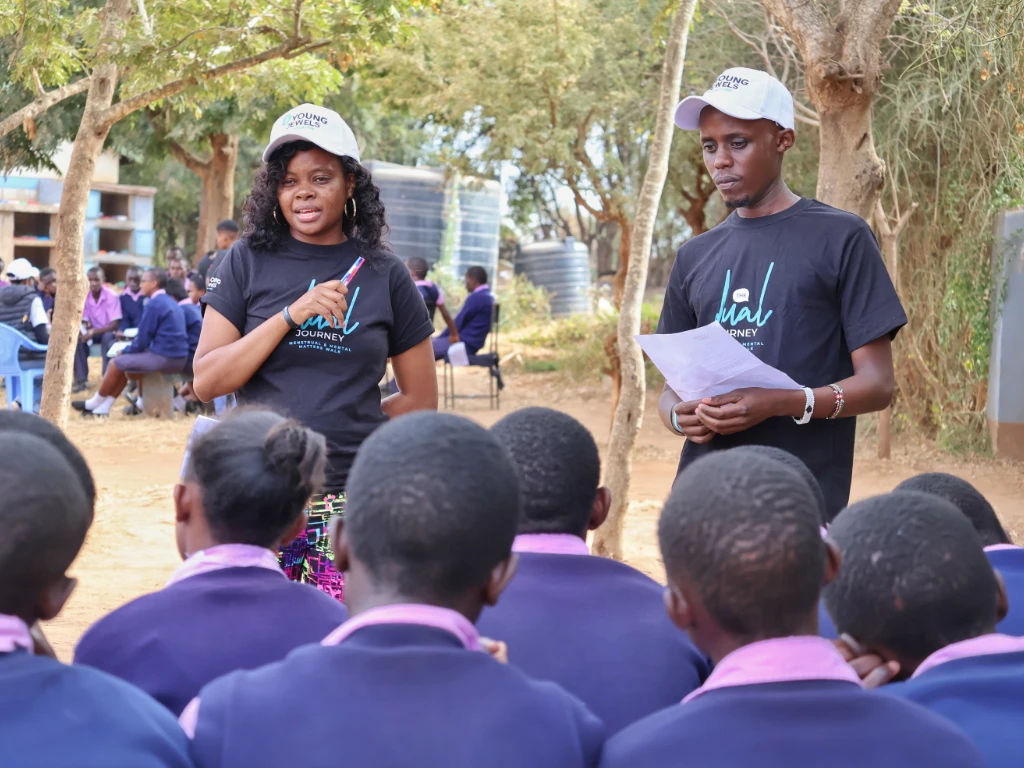
Young Jewels Foundation works alongside adolescents aged 10–19 across rural Kenya, meeting them in the classroom, in the community, and in the moments that decide whether they stay in school and stay healthy. Through life-skills education, mentorship, advocacy, gender equality and research, we help young people make healthy choices, protect themselves from harm and shape futures of their own choosing.
Adolescents & Youth
Life, social, health and economic skills for healthy choices and confidence.
Learn More
Mentorship
Mentorship to strengthen health, learning and civic voice, co-creating solutions with communities.
Learn More
Advocacy
Amplifying community voices, holding policymakers, government, private sector and media accountable.
Learn More
Gender Equality & Social Inclusion
Equal opportunity regardless of age or gender, at home, in community and in society.
Learn More
Research & Impact Learning
An evidence-based approach to sexual and reproductive health and other strategic issues.
Learn More
Our Impact
Work you can measure, in the places it matters most.
%
Your Title Goes Here
%
Your Title Goes Here
%
Your Title Goes Here
%
Your Title Goes Here
%
Your Title Goes Here
Invest in the future of Kenya's young people.
Give your time
Volunteer
We can't do this work alone. Join our network of mentors, facilitators and community volunteers.
Give what you can
Donate
Your gift keeps a young person in school, in good health and moving toward a future they choose for themselves.