
Our Work
Gender Equality & Social Inclusion
At Young Jewels, we believe that everyone—regardless of age, gender, or sexual orientation—should have equal opportunities to realize their full potential, enjoy their rights, and contribute to society. Our goal is to ensure that everyone is an equal partner in their home, community, and society.
Focus Areas
Adolescents & Social Norms
Harmful gender norms often limit the opportunities and outcomes for adolescent girls and young women. These norms can prevent them from accessing essential health services, education, or economic opportunities.
Young Jewels works to challenge and shift these harmful social norms, advocating for positive changes that promote gender equality.
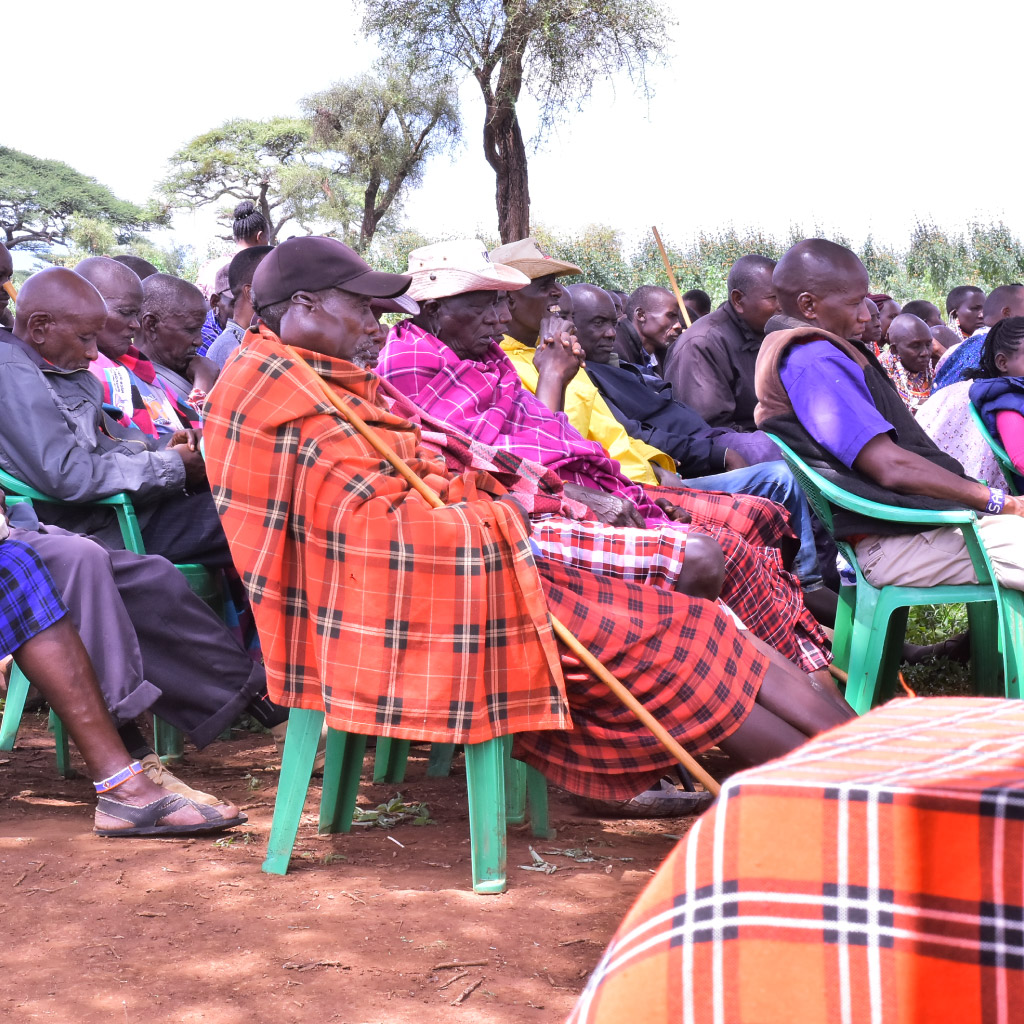
By engaging communities, parents, and young people, we aim to create sustained improvements in social norms, leading to better health, education, and livelihood outcomes for adolescent girls and young women.

Gender Data & Insights
Collecting and analyzing gender-specific data is crucial for understanding the challenges women face and ensuring their needs are prioritized. Young Jewels is committed to addressing gender data gaps, which often prevent women and girls from being counted in policymaking and development initiatives.
By improving data collection and insights, we support evidence-based decision-making that promotes gender equality. This approach helps to close gaps in economic empowerment, health outcomes, and education, ensuring women are considered in decisions that shape their lives.
How we make a difference:
At Young Jewels, we address these key focus areas by:
- Awareness Campaigns: Raising awareness on menstrual health, teenage pregnancy, and mental well-being through targeted campaigns and community outreach.
- Educational Resources: Developing toolkits, providing information, and equipping youth with knowledge and skills to make informed choices.
- Access to Products & Services: Offering menstrual products, safe disposal solutions, and linking youth to healthcare facilities and support services.
- Advocacy and Policy Influence: Working with local and national stakeholders to advocate for better health policies and social outcomes.
- Intergenerational Dialogues: Encouraging open conversations between youth and older generations to foster understanding and shared learning.